What Is Cognitive Behavioral Therapy for Insomnia (CBT-I)?
Cognitive Behavioral Therapy for Insomnia (CBT-I) is a structured, evidence-based treatment designed to help individuals who struggle with falling asleep, staying asleep, or experiencing restorative sleep.
Rather than relying on medication alone, CBT-I targets the thoughts, behaviors, and physiological patterns that maintain chronic insomnia. It is considered the first-line, gold-standard treatment for insomnia, with strong research support for long-term effectiveness.
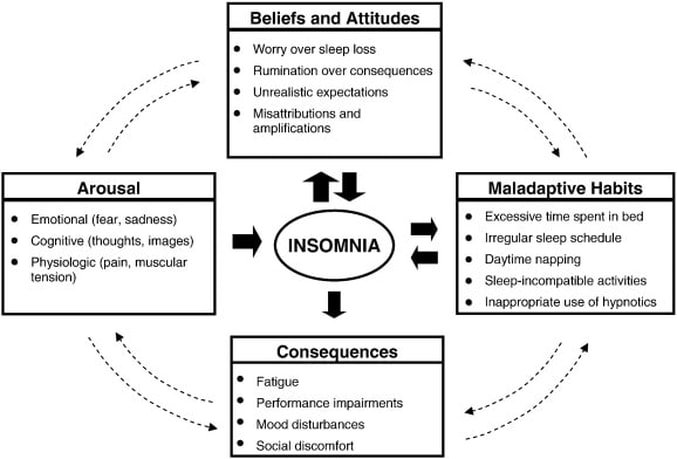
CBT-I helps individuals identify and change patterns that unintentionally interfere with sleep, such as spending too much time in bed, irregular sleep schedules, or heightened anxiety about sleep itself. Over time, these factors can condition the brain to associate the bed with wakefulness rather than rest.
A core component of CBT-I is addressing sleep-related thoughts and worries—such as fear of not sleeping, frustration about insomnia, or catastrophic thinking about the effects of poor sleep. These cognitive patterns often increase arousal and make sleep more difficult to initiate or maintain.
Treatment also includes behavioral strategies such as stimulus control (strengthening the bed-sleep connection), sleep restriction therapy (consolidating sleep to improve sleep efficiency), and the development of consistent sleep routines.
The goal of CBT-I is not to “try harder” to sleep, but to retrain the body’s natural sleep system so that sleep becomes more automatic, efficient, and sustainable over time.