What is a Phobia?
A phobia is an intense, persistent fear of a specific object, situation, or experience that is out of proportion to the actual danger involved. While many people experience discomfort or preference-based avoidance, a phobia is more severe—it often leads to immediate anxiety, strong urges to escape or avoid, and significant interference in daily life.
Phobias are maintained through avoidance. The more a person avoids the feared situation, the more powerful and threatening it tends to feel over time. Evidence-based treatments such as Exposure Therapy and Cognitive Behavioral Therapy (CBT) are highly effective in helping individuals gradually face feared situations and reduce anxiety over time.

Fear of animals or insects, such as:
Dogs
Cats
Spiders (arachnophobia)
Bees or wasps
Snakes

Fear of specific situations, such as:
Flying (aviophobia)
Driving
Elevators
Enclosed spaces (claustrophobia)
Bridges or tunnels
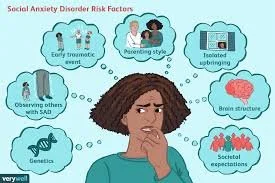
Social phobia involves an intense fear of being judged, embarrassed, or negatively evaluated in social or performance situations. This may include speaking in groups, meeting new people, eating in public, or being observed while performing tasks.

Fear of natural phenomena, such as:
Heights (acrophobia)
Water or drowning (aquaphobia)
Storms or thunder (astraphobia)
Darkness (nyctophobia)

Agoraphobia involves fear of situations where escape might feel difficult or help might not be available in the event of panic-like symptoms. This can include:
Crowds
Public transportation
Open or enclosed public spaces
Being outside the home alone
Treatment for Phobias
Phobias are among the most treatable anxiety conditions. The gold-standard treatment is Exposure Therapy, often integrated within CBT. Treatment involves gradually and systematically facing feared situations while reducing avoidance and safety behaviors, allowing anxiety to decrease naturally over time.

Fear related to medical settings or procedures, such as:
Needles or injections (trypanophobia)
Blood
Medical procedures or hospitals
Vomiting or illness exposure (emetophobia)